
Over the holidays I had the opportunity to get out into the rural areas of Somerset and see what was happening at this time of year. Initially it was fairly easy to come to the conclusion that not a lot was happening in the very agricultural area where I was looking, but as usual the miniature woodlands that divide the fields along the river, were in stark contrast to the dreary ryegrass fields that border them on either side.
Although difficult to see, the vast monoliths, that are the leafless willows, poplars and alder, are, even at this time of year, already saturated with the little green, red and purple buds that will prove invaluable for them come spring. Hazel in particular had surprisingly many, and they came in a wide array of forms, some bulbous and larger, while others were more segmented and even resembled popcorn.
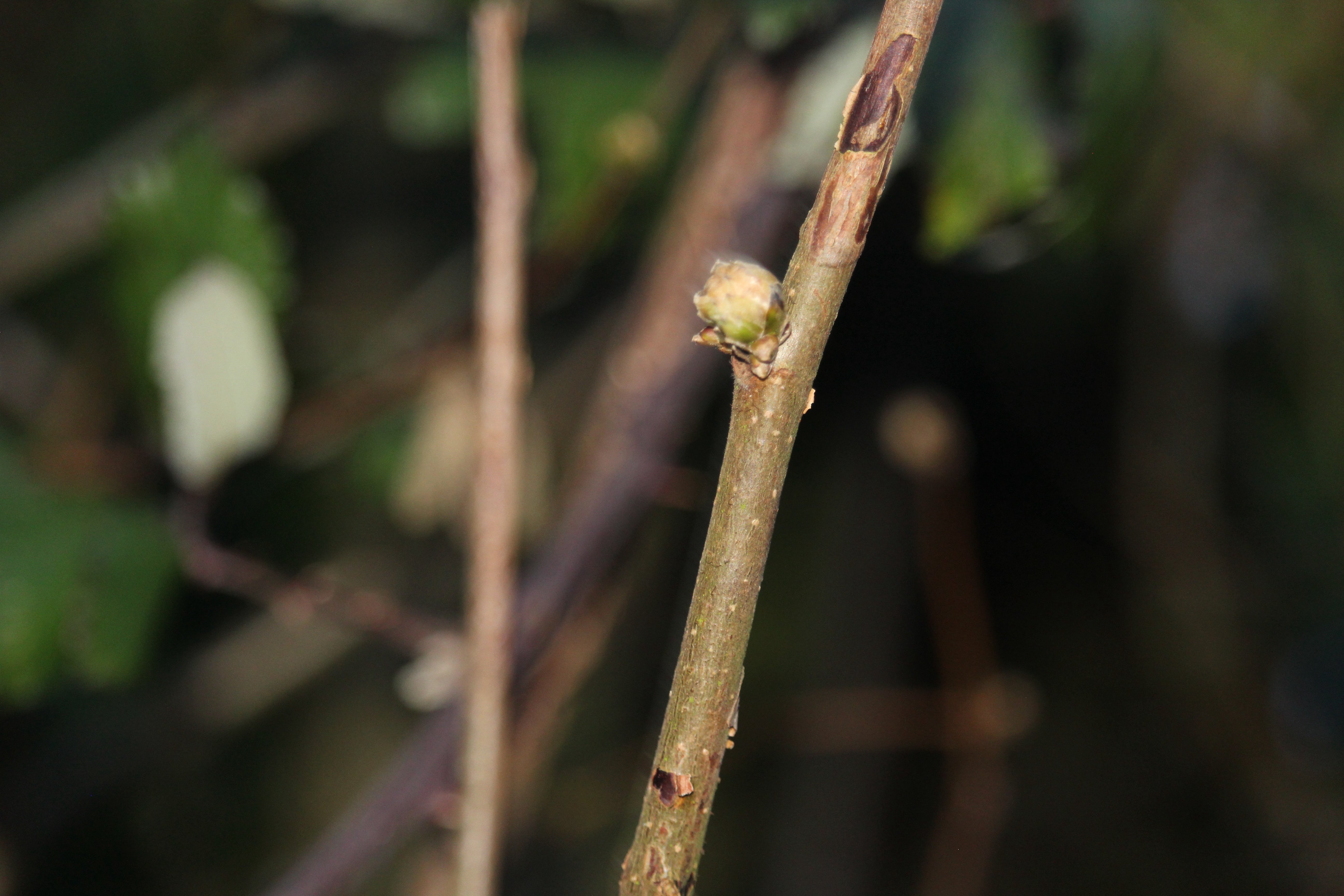
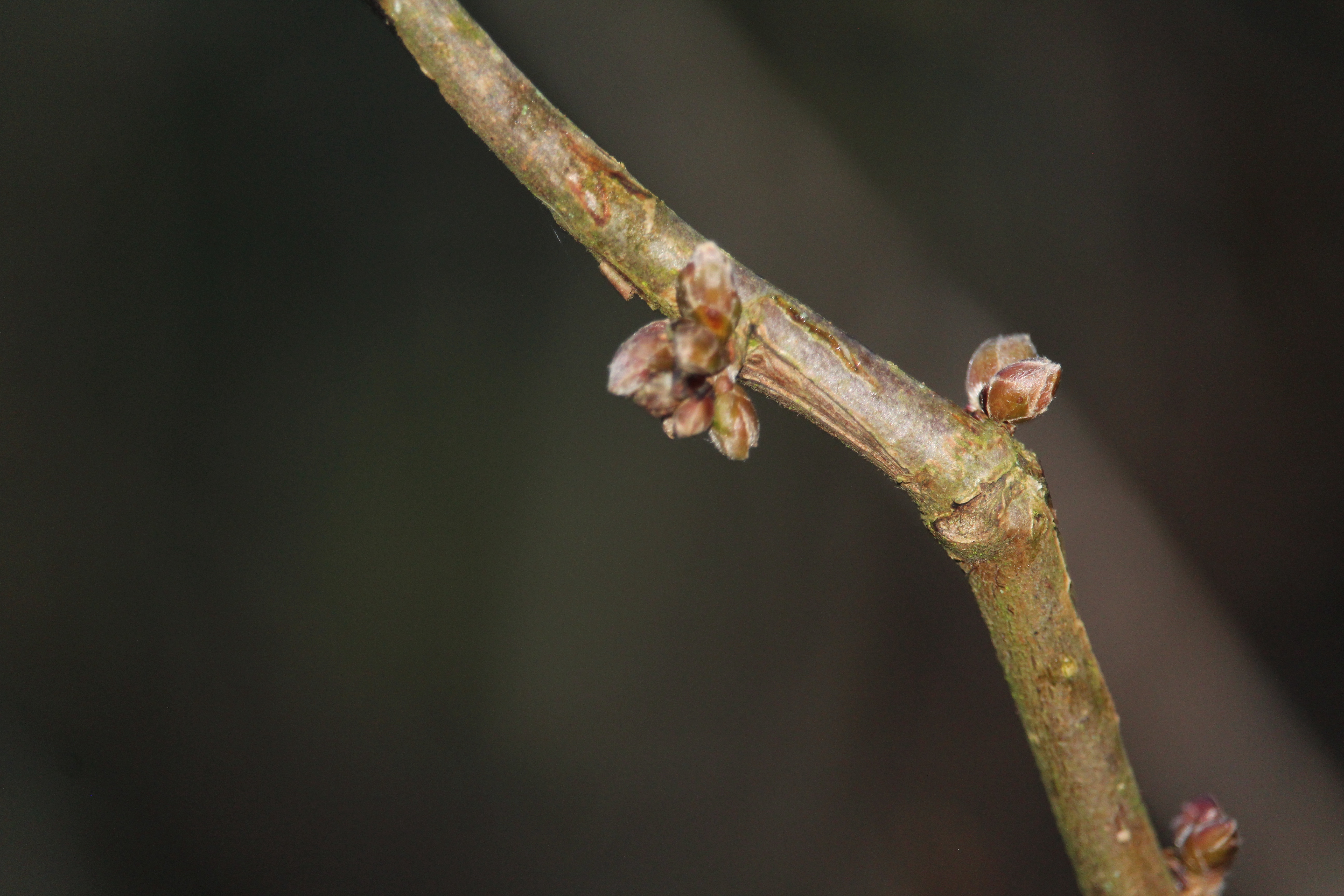
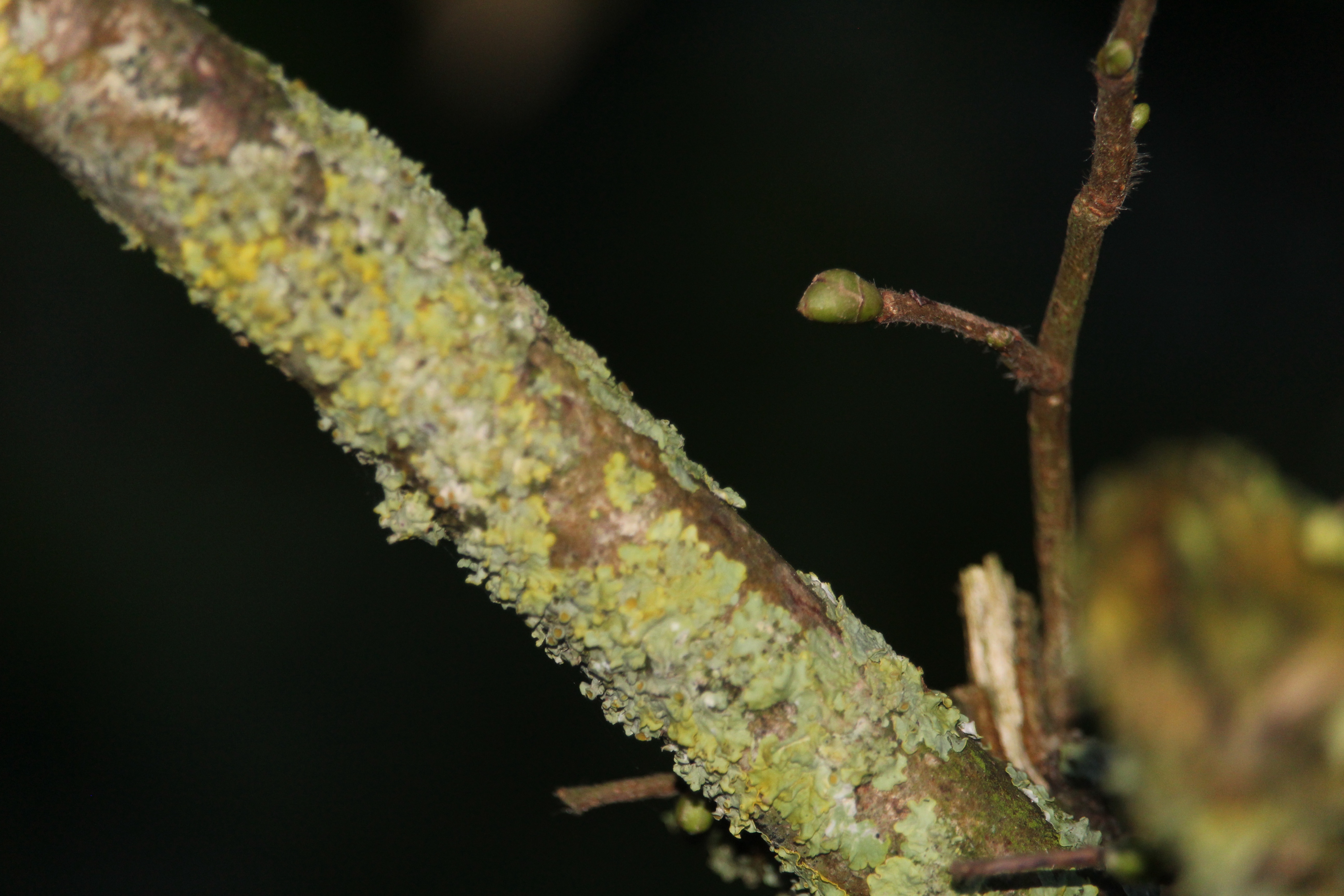

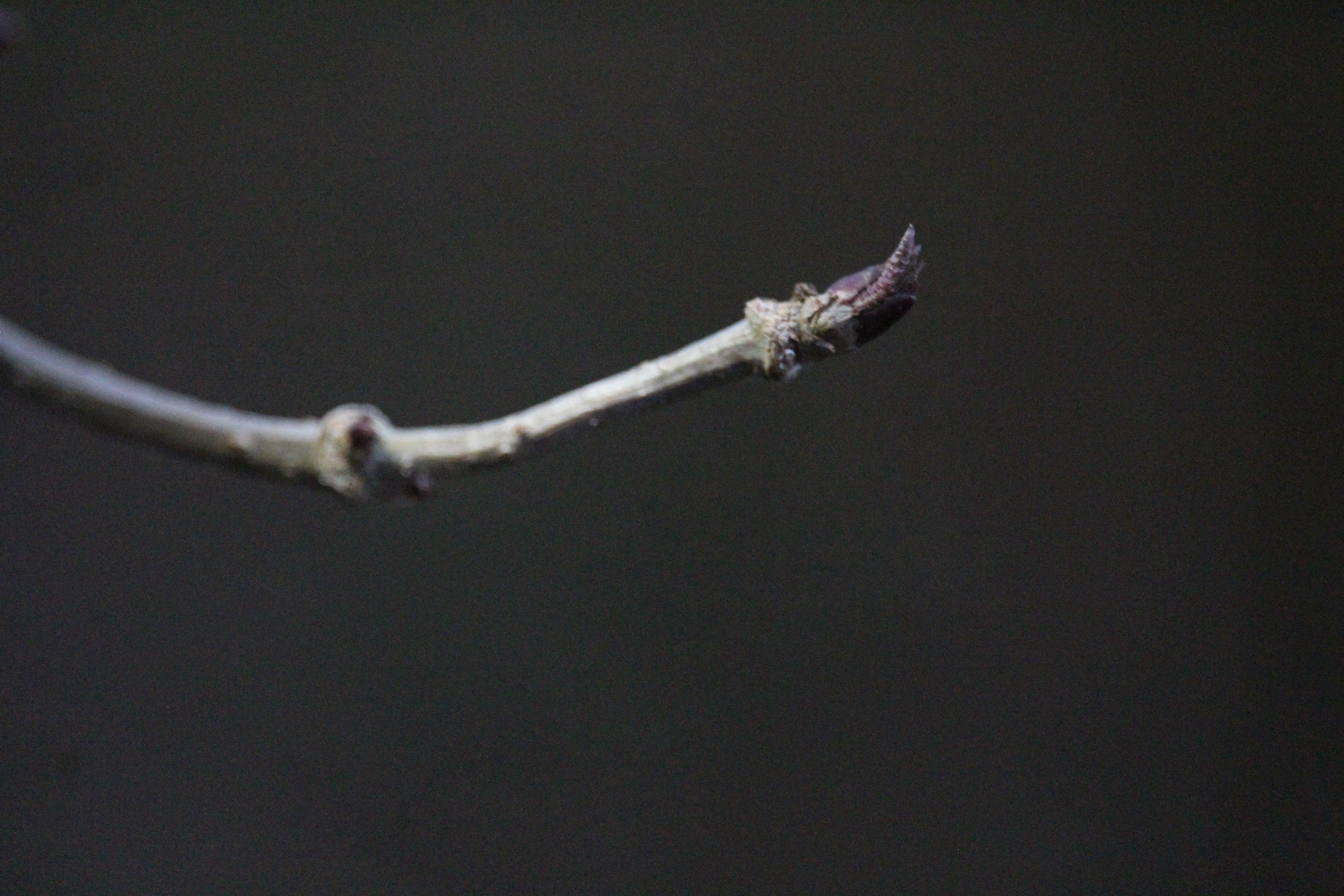

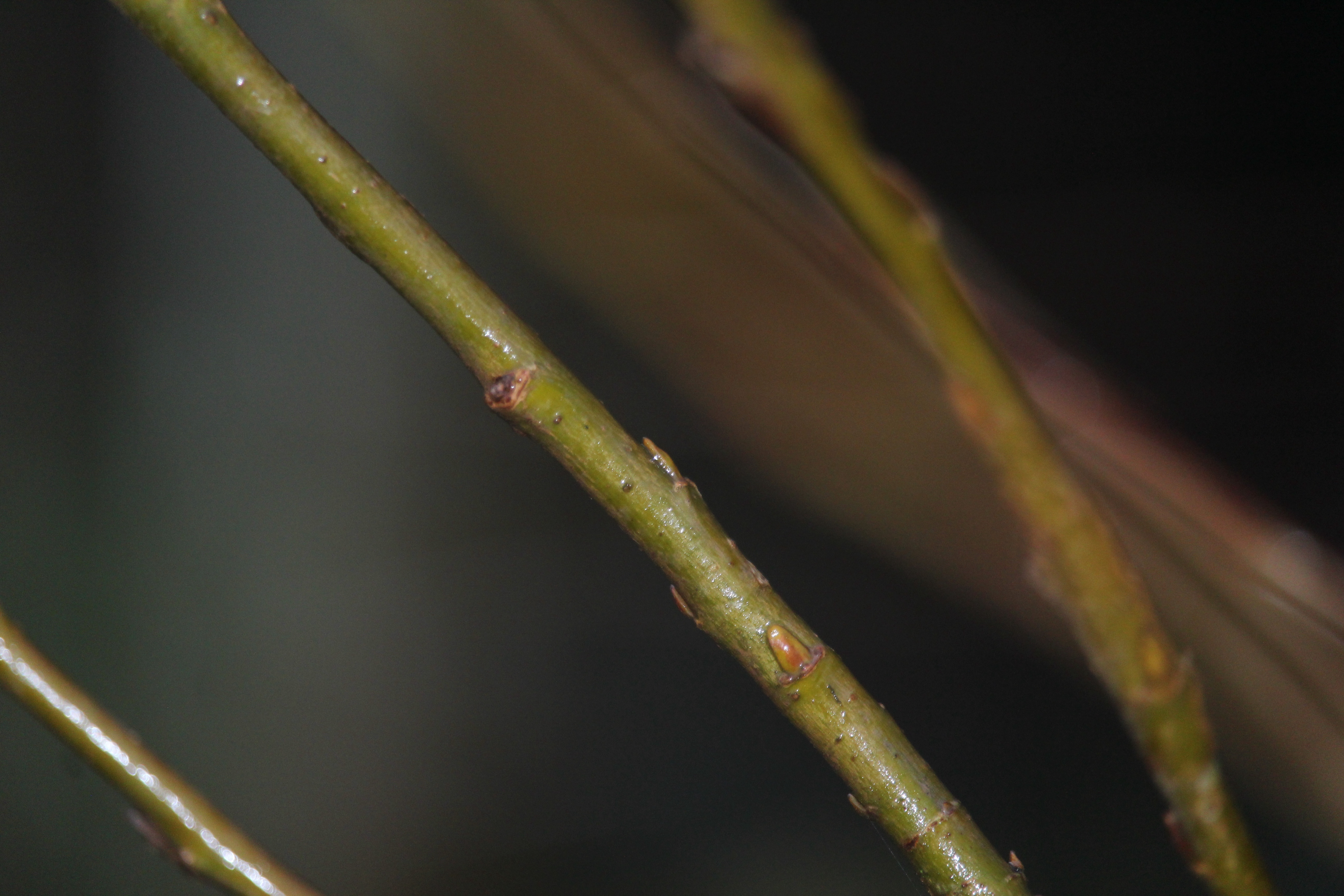
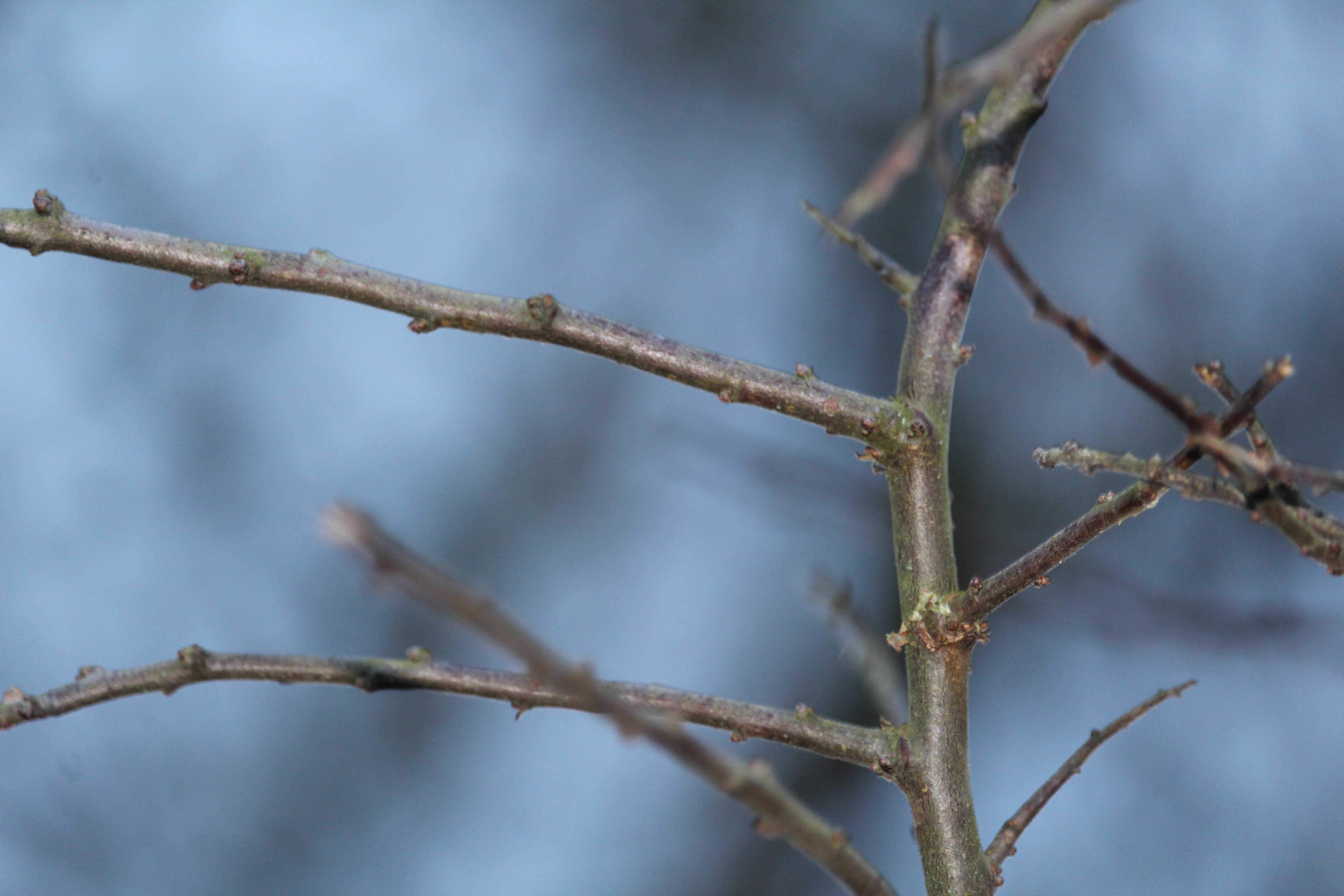
Top row: all Corylus not same individual
Middle row left to right: Populus nigra, Sambucus nigra, Alnus glutinosa
Bottom row left to right: Salix, Prunus Spinosa
Shown above are the trees I took images of, note that while I made the title of the post “Riparian trees…”, that is only because of where I observed them, I am not suggesting, for example, that Blackthorn is a riparian species, when it is well known that it can exist in a variety of different temperate habitats. Concerning how the photos were taken, the flash light of the camera illuminated many of these pictures, since the daylight at this time of year often proves to be insufficient to see much colour.
As it is however, the light from the camera revealed details that weren’t visible to me standing there taking the pictures. The buds were, as already mentioned, astoundingly colourful. The green colour obviously an indication of the Chlorophyll already contained within the buds in preparation for the still distant spring. I am not sure whether any of buds pictured are of the variety that would produce flowers, catkins, etcetera and am sort of just presuming by their colour that most of them are of the kind that will develop into leaves by summer.
In any case, it was enjoyable to get out and observe some interesting natural phenomena and I hope that if you were reading this post you found it somewhat informative.
 britishnature.blog